-
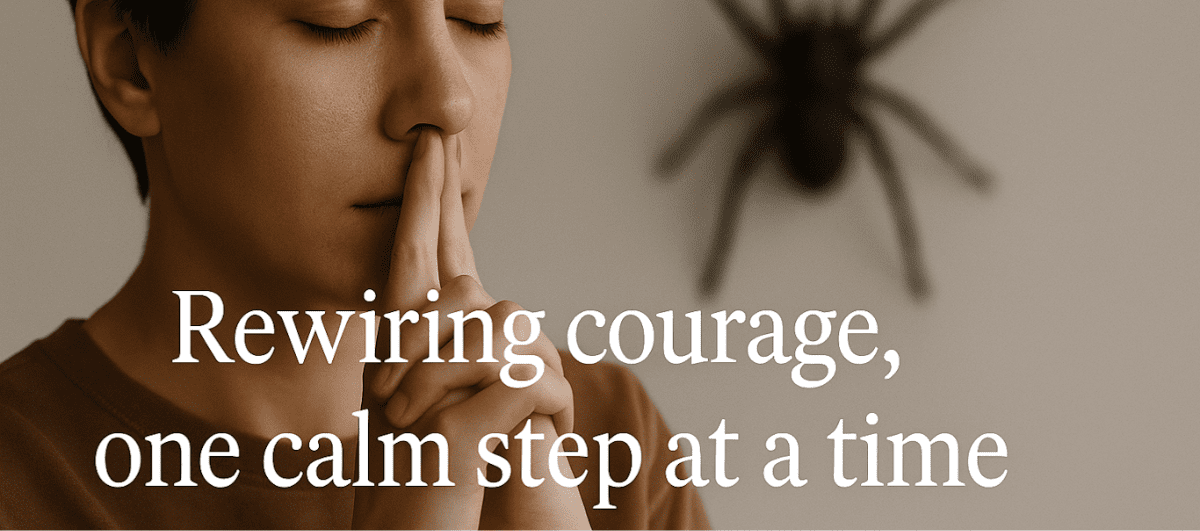
Systematic desensitisation: Teaching the brain to unlearn fear
Joseph Wolpe’s 1958 therapy method, Systematic Desensitisation, still reshapes how we treat anxiety and phobias today—especially for neurodivergent minds learning to trust their own nervous systems again
-

Get over yourself
A reflective essay on sensitivity, overthinking, and learning that not everything is about us. Includes a neurodiversity lens on rejection sensitivity and the contrarian ‘Gaye factor’
-
When your brain decides to throw a rave without asking first
Late-life migraines can feel like the body’s betrayal, but they’re often your nervous system drawing a hard line. If you’ve ever had that sudden sensory explosion—light, sound, pain, dread—you’re not alone. Let’s explore what your brain’s really saying and how to listen to it
-
When love arrives late: what no one tells you about cross-cultural romance after sixty
Finding yourself in an unexpected cross-cultural relationship after sixty whilst neurodivergent? Struggling with family expectations, communication across difference, or wondering if your brain’s wired for this? Let’s explore what you’re actually building—and whether it’s working for both of you
-
When desire dies and you’re both still breathing
Struggling with mismatched desire in your relationship? Book a consultation to explore what’s really happening beneath the surface—and discover what connection might look like when you stop performing and start being honest about what you actually need
-
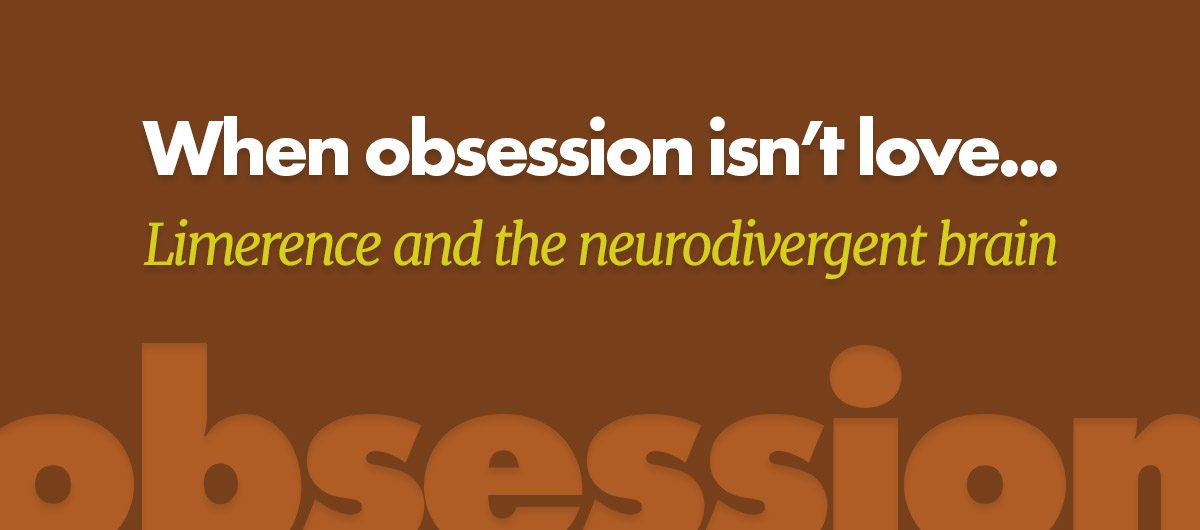
When obsession isn’t love: limerence and the neurodivergent brain
Ever wondered why your crush feels like a full-time job? This piece unpacks the neurodivergent chemistry behind limerence, why it hijacks your brain, and how to turn obsession into insight. Read the full piece on Mindblown Psychology — where intensity meets understanding
-
It’s not about money, it’s about dopamine
If your dopamine system keeps raiding your wallet, you’re not broken—you’re brilliantly wired for stimulation in a system that sells it. Learn how to satisfy the craving for novelty without emptying your bank account or your self-worth
-
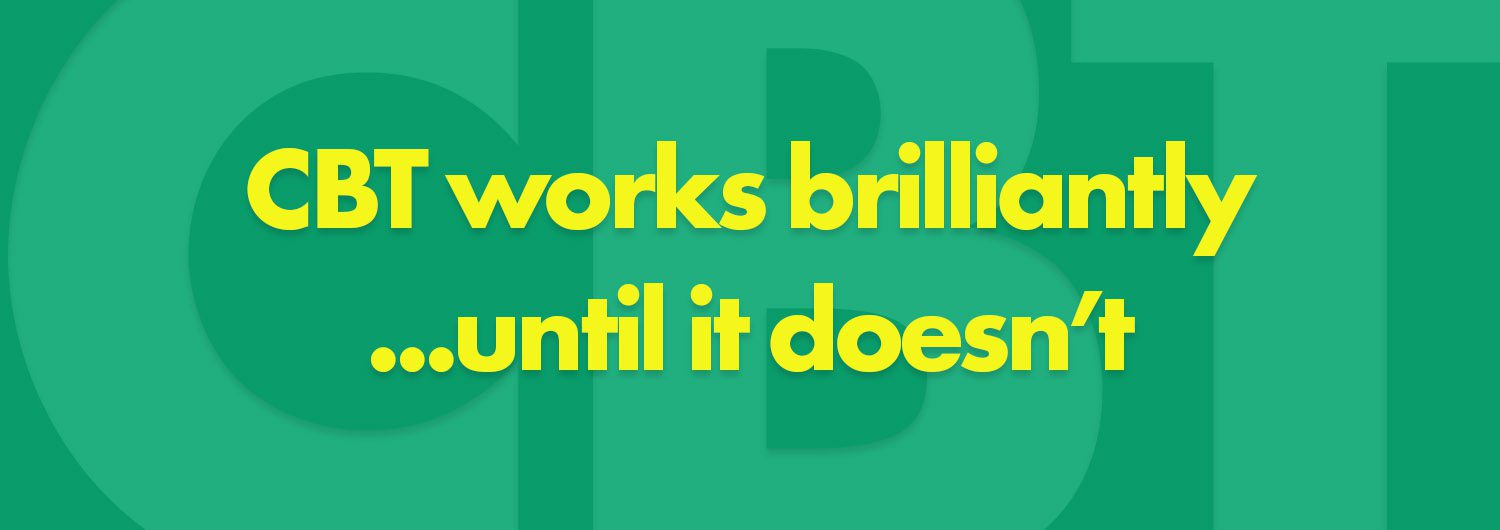
Cognitive Behavioural Therapy: What it gets wrong (and what still works)
CBT can change lives, but only when it fits the person, not the other way round. Discover why logic isn’t always healing, and how therapy needs to evolve for the neurodiverse, the complex, and the emotionally wired
-
Why mindfulness often fails for neurodivergent brains
Traditional mindfulness often alienates ADHD and autistic minds. Discover why calm doesn’t mean stillness and how flow, curiosity, and movement can regulate better than breath counting. Read the full guide to mindfulness that finally fits neurodiverse brains
-
When your hand won’t listen
Your hand shapes your world—writing, creating, connecting. When Dupuytren’s contracture takes that away, the psychological toll is profound. Read how this hidden disability changes more than movement, and why acknowledging its impact can restore dignity, meaning, and connection in the face of limitation
-
When crying never came: why freeze-fawn children grow into people-pleasing adults
Were you the quiet, “easy” child who grew into the exhausted, approval-seeking adult? Lindsey Mackereth’s freeze-fawn hypothesis offers a powerful lens. Read my take—and my story—on why invisible early neglect leaves deep imprints and what healing really asks of us
-
AuDHD: the inconvenient brilliance
AuDHD is not two strikes. It’s two operating systems running at once—pattern and hyperdrive, empathy and storm. Discover six truths about this inconvenient brilliance and why “too much” is exactly what the world needs. Different by design, not broken
-
You’re Not Imagining It, It IS This Weird
A witty, satirical survival guide for the optimisation age, ‘You’re Not Imagining It, It IS This Weird’ exposes the absurdities of wellness, productivity, and authenticity culture while inviting readers to laugh, question, and reclaim their sanity in a world gone strangely sideways
-
The strengths of neurodivergent thinking
Neurodivergent people aren’t broken—they’re brilliant in ways the world often overlooks. From creativity to resilience, their strengths are reshaping classrooms, workplaces, and communities
-
Why language matters
Language is never neutral—it can heal or harm. By shifting from “disorder” to “difference,” Vietnam can build inclusion that respects every kind of brain. Explore the words that shape neurodiversity and why they matter more than we think
-
What is neurodiversity?
Neurodiversity isn’t a label—it’s a lens. By understanding it, we can build classrooms, workplaces, and relationships that value difference as strength. Explore how neurodiversity can reshape Vietnam’s future for students, teachers, and communities
-
Unpacking HRT — myths, risks, and real help for menopause
Menopause is confusing enough without myths about HRT clouding the picture. This article cuts through fear and hype, showing who benefits, who doesn’t, and how culture shapes choices. Read it now to make sense of your options and find clarity about hormone therapy
-
Adults on medication—and why you shouldn’t feel guilty about it
Medication doesn’t make you weak—it makes you stable enough to live fully. Whether Western or traditional, tools that work give complex minds freedom to thrive. Learn why guilt has no place here and how medication can support creativity, stability, and love



Got any book recommendations?