-
What eight months in Vietnam has quietly undone in me
What if the things you dismissed as outdated were quietly keeping people well all along? This reflection explores how Vietnamese culture supports health nervous systems and human thriving in ways the West often overlooks, and what eight months of lived experience changed forever
-

Rebuilding identity without consensus
When shared reality fractures, identity can feel unmoored. This piece explores how to rebuild psychological coherence without agreement, protect curiosity without overexposure, and remain grounded in how you think rather than who agrees with you
-
When conversation disappears, grief follows
This piece explores the quiet grief that follows the loss of meaningful conversation, how identity is affected when reflection disappears, and why exhaustion, withdrawal, and sadness are often signs of unrecognised relational loss rather than cynicism or burnout
-
Why some conversations now feel impossible
If conversations leave you exhausted rather than understood, this piece explores the psychology behind why dialogue collapses when belief fuses with identity, and how to recognise when shared understanding is no longer available without blaming yourself or others
-
Why the world needs AuDHD brains (and doesn’t know it yet)
If you’re AuDHD and tired of being told to fix your brain rather than your environment this piece is for you Explore how systems shape mental health and why thriving often begins with changing context not character
-
Steve Davis on social media’s fall
Now that Australia has passed the world’s first law on social media and teens, over a decade after it was first realised how dangerous Meta/Facebook/Instagram are to mental health, Steve Davis reflects…
-
Wim Hof
Bloke, You keep sending me breathless “you MUST watch this!!” videos, so I finally did the adult thing and went down the rabbit hole properly. Read the papers, not just the YouTube comments. Spent all night reading and then coming to a conclusion. Short version: Wim’s neither a miracle ice wizard nor a complete crock…
-
Red flags at dawn
Seen a great YouTube video, or something on Facebook, that gets your blood pumping? Chances are good you’ve just fallen unwittingly into a trap. Here’s how to recognise some popular traps.
-
Goodbye to the shitty end of social media
If you’re tired of the enshittified end of social media and ready for calmer, more human spaces, join me on Substack, YouTube and in the pages of my books. Follow the work where depth lives, not where algorithms thrive. It’s time for a cleaner digital life
-
AuDHD isn’t two conditions, it’s one complex reality
If this is your life too, you’re not alone, and you’re certainly not malfunctioning. You’re wired differently, and that wiring deserves explanation rather than judgement. If you want more grounded, contrarian, neuro-affirming writing like this, stay part of the conversation
-
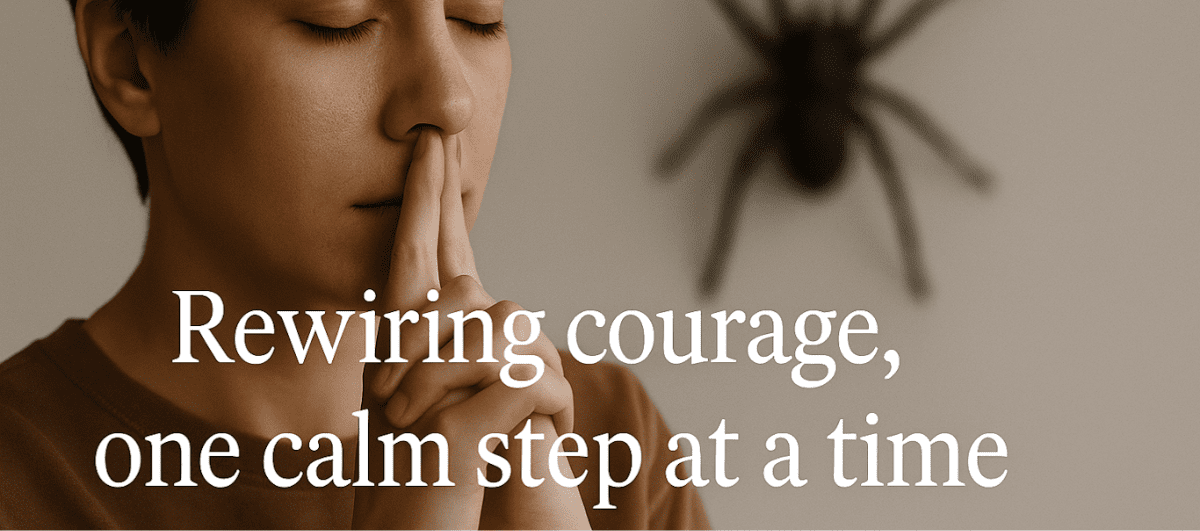
Systematic desensitisation: Teaching the brain to unlearn fear
Joseph Wolpe’s 1958 therapy method, Systematic Desensitisation, still reshapes how we treat anxiety and phobias today—especially for neurodivergent minds learning to trust their own nervous systems again
-
Get over yourself
A reflective essay on sensitivity, overthinking, and learning that not everything is about us. Includes a neurodiversity lens on rejection sensitivity and the contrarian ‘Gaye factor’
-
When your brain decides to throw a rave without asking first
Late-life migraines can feel like the body’s betrayal, but they’re often your nervous system drawing a hard line. If you’ve ever had that sudden sensory explosion—light, sound, pain, dread—you’re not alone. Let’s explore what your brain’s really saying and how to listen to it
-
When love arrives late: what no one tells you about cross-cultural romance after sixty
Finding yourself in an unexpected cross-cultural relationship after sixty whilst neurodivergent? Struggling with family expectations, communication across difference, or wondering if your brain’s wired for this? Let’s explore what you’re actually building—and whether it’s working for both of you
-
When desire dies and you’re both still breathing
Struggling with mismatched desire in your relationship? Book a consultation to explore what’s really happening beneath the surface—and discover what connection might look like when you stop performing and start being honest about what you actually need
-
When obsession isn’t love: limerence and the neurodivergent brain
Ever wondered why your crush feels like a full-time job? This piece unpacks the neurodivergent chemistry behind limerence, why it hijacks your brain, and how to turn obsession into insight. Read the full piece on Mindblown Psychology — where intensity meets understanding
-
It’s not about money, it’s about dopamine
If your dopamine system keeps raiding your wallet, you’re not broken—you’re brilliantly wired for stimulation in a system that sells it. Learn how to satisfy the craving for novelty without emptying your bank account or your self-worth
-
Cognitive Behavioural Therapy: What it gets wrong (and what still works)
CBT can change lives, but only when it fits the person, not the other way round. Discover why logic isn’t always healing, and how therapy needs to evolve for the neurodiverse, the complex, and the emotionally wired




Got any book recommendations?