Category: Neurodiversity
-
When minds meet minds
Download a free chapter on the sapiosexual experience in neurodivergent relationships—When minds meet minds
-

What highly masked adults hide behind work (and how to stop)
Revealing seven uncomfortable realities highly masked neurodivergent adults avoid through work patterns and work avoidance. Discover why your brain uses work as emotional protection, how to recognise these survival strategies, and gentle approaches to building authentic engagement with work, emotions, and relationships
-
What it means to be AuDHD
What happens when autism and ADHD live in the same brain? This post explores the unique experiences of AuDHD individuals—how traits overlap, how to navigate daily life, and why recognising both neurotypes together is essential for true self-understanding and mental health support
-
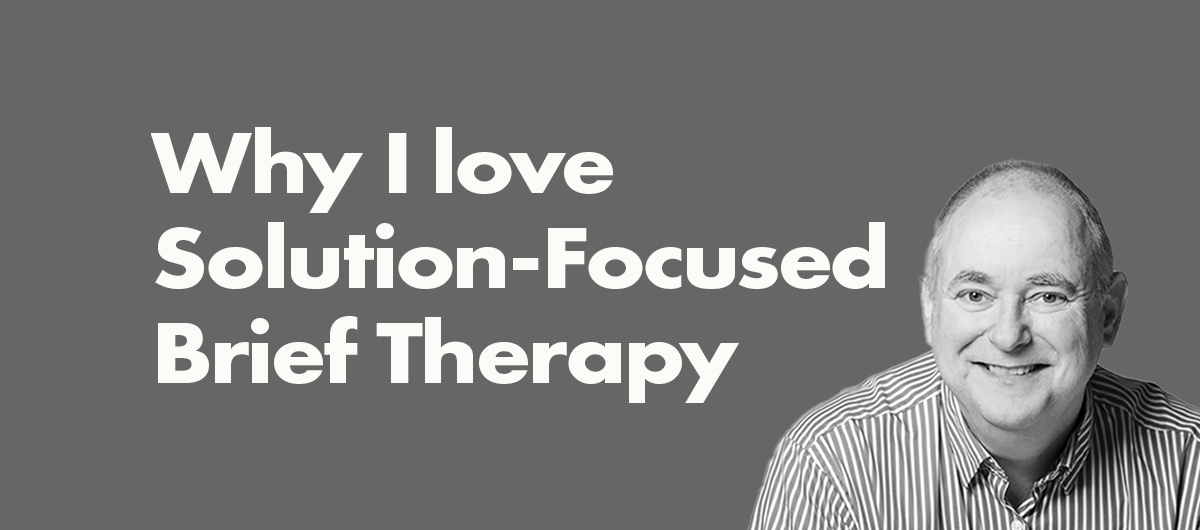
Why I love Solution-Focused (Brief) Therapy as a counselling modality
Discover why Solution-Focused (Brief) Therapy is a respectful, evidence-based approach that centres client strengths, fosters hope, and works quickly. Lee Hopkins shares how SFBT complements neurodiverse and time-limited clients while offering profound change through deceptively simple, forward-focused conversations
-
Neurodiversity and romance
Neurodiversity and romance: how love lives differently in a neurocomplex world
-
Left-brain therapy myth: Why popular neuroscience hurts clients
Discover why the idea of ‘left‑brain therapy’ is misleading—and how this popular neuroscience myth may be harming your mental health and therapeutic outcomes
-
Understanding the overlap between complex PTSD, autism, and ADHD
This article explores the overlapping traits and key differences between complex PTSD, autism, and ADHD. It explains how emotional dysregulation, sensory sensitivity, and suicidal ideation can present similarly—while offering clarity on diagnosis, misdiagnosis, and the need for tailored, trauma-informed, and neurodivergent-aware support
-
Key differences between ADHD and AuDHD
ADHD involves attention, hyperactivity and impulsivity challenges, while AuDHD combines these with autism’s social communication differences and restricted behaviours. They differ in social interaction, sensory processing, executive functioning, interests, and treatment responses, requiring distinct diagnostic and support approaches
-
Understanding AuDHD (2nd edition)
This 2nd edition guide explores AuDHD’s intersection of Autism and ADHD traits, offering updated research, practical coping strategies and neurodiversity-affirming approaches. Combines clinical insights with lived experiences for holistic support
-
Building your AI innovation team
Transform your organization with “Building Your AI Innovation Team” by Lee Hopkins. This white paper offers crucial insights into assembling effective AI teams, fostering collaboration, and overcoming implementation challenges. Download today to harness the power of diverse perspectives for successful AI initiatives
-
Re-framing mental health diagnoses
Lee Hopkins explores how the neurodiversity paradigm challenges traditional medical models of mental health conditions. It advocates for a shift towards a more inclusive, humanised approach that recognises cognitive differences as natural variations rather than disorders requiring treatment
-
Neurodiversity and mental health diagnoses
Delve into how the neurodiversity movement reframes mental health diagnoses, promoting a perspective that views cognitive differences as natural variations within human diversity. Explore the implications for diagnostic practices, social constructs, and clinical approaches
-
Autism, ADHD and Bipolar Disorder
Examine the potential overlap between symptoms of ADHD, autism, and bipolar disorder, including the suggestion that some cases traditionally diagnosed as bipolar disorder may be better understood through a neurodiverse lens. Lee also highlights the need for improved diagnostic tools and awareness
-
Book review: ‘Understanding AuDHD’ and ‘Embracing Neurodiversity’
This review explores two essential books: ‘Understanding AuDHD’ delves into the intersection of autism and ADHD, while ‘Embracing Neurodiversity’ provides a comprehensive overview of various neurodevelopmental conditions, advocating for acceptance and practical strategies
-
Are spontaneity and impulsivity hindering your decision-making?
The article discusses the complexities of decision-making, particularly for those with impulsive and spontaneous traits, like the author. It explores the challenges posed by societal norms and expectations, highlighting the importance of embracing one’s unique neurodiversity