Category: AuDHD
-
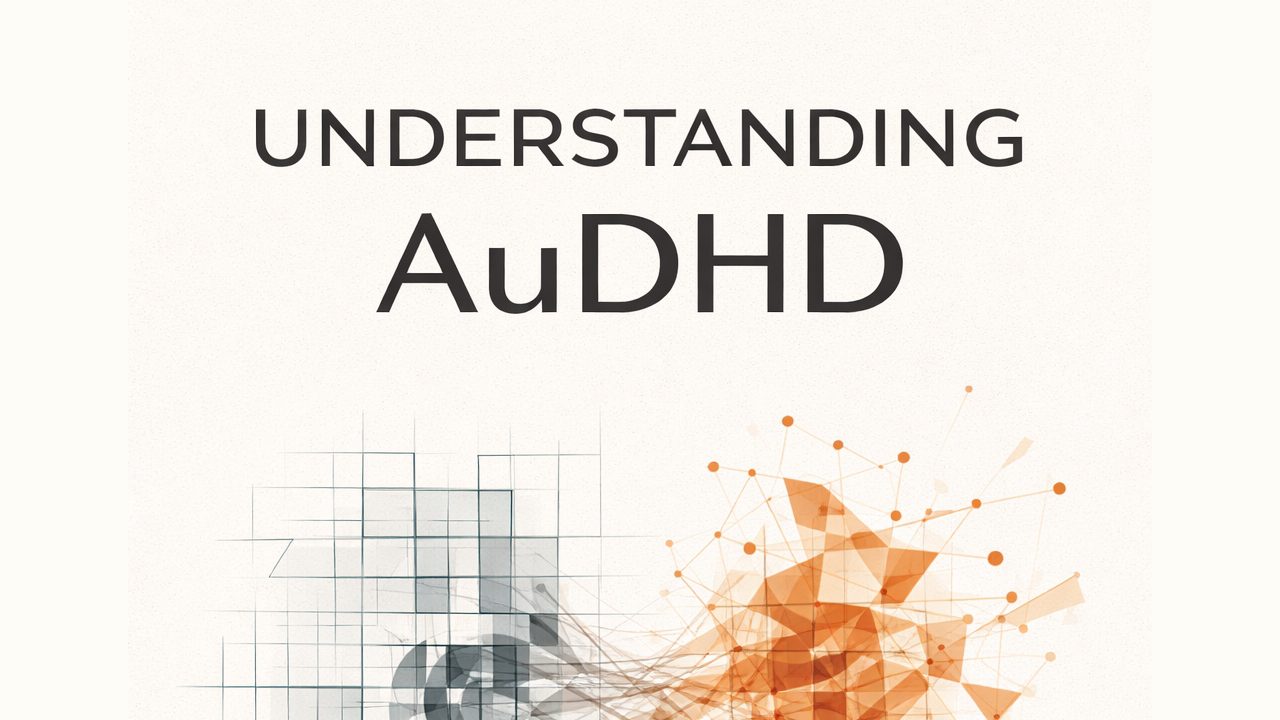
The book the DSM still isn’t ready for
Download the completely rewritten fourth edition of Understanding AuDHD for free as a paid subscriber to ‘Letters from the Quiet Half’, with full access to the curated book library and an embedded DeepDive podcast episode
-

Message to Neil
If this letter landed somewhere familiar, you’re not alone. One-way friendships drain neurodivergent people faster than most. Subscribe to my Substack channel for writing that names the things polite society pretends not to notice, from a psychologist who has stopped pretending
-
Why the monster myth is the most dangerous idea in child protection
If you’ve ever wondered why decades of prosecution, rescue operations, and awareness campaigns haven’t reduced the sexual exploitation of children, The Convenient Monster argues the answer is uncomfortable, systemic, and closer to home than anyone wants to admit
-
Your body has been writing you letters for years. You just couldn’t read them
If decades of masking and the invisible weight of long COVID have left your body keeping a score nobody told you about, you are not imagining it. Lee Hopkins is a psychologist and late-diagnosed AuDHD adult who understands what you are going through from the inside out
-
When the body keeps the score of a lifetime of masking
Chronic physical pain can emerge after years of neurodivergent masking because the nervous system and body absorb prolonged stress responses. When identity strain, social pressure and self-criticism accumulate over decades, the body may eventually signal overload through fatigue, tension and pain
-
Misdiagnosis nearly killed me
A personal and clinical account of misdiagnosis, neurodivergence, environment, and augmentation. Three books form one argument: mental health fails when behaviour is mistaken for architecture, context is ignored, and clinicians lose the bandwidth to remain curious
-
Doing less without disappearing
Living with an ADHD and autistic brain often means having more ideas than energy This reflective essay explores why doing less is not failure but a necessary response to nervous system depletion burnout and the quiet work of recovery in a culture addicted to productivity
-
Why late ADHD diagnosis rewrites your life story
If you were diagnosed late and are still reprocessing your life story, you’re not behind. You’re doing the necessary work. Follow Mindblown Psychology for clear, humane explanations of neurodivergence, identity, and mental health without shame or simplification
-
Have you tortured someone today?
One in four of us don’t ‘fit in’. This leads to tremendous psychological pain as we deal with the pain of rejection and the fear of being ostracised. Have you unwittingly tortured your friend today?
-
Why some conversations now feel impossible
If conversations leave you exhausted rather than understood, this piece explores the psychology behind why dialogue collapses when belief fuses with identity, and how to recognise when shared understanding is no longer available without blaming yourself or others
-
Why the world needs AuDHD brains (and doesn’t know it yet)
If you’re AuDHD and tired of being told to fix your brain rather than your environment this piece is for you Explore how systems shape mental health and why thriving often begins with changing context not character
-
Goodbye to the shitty end of social media
If you’re tired of the enshittified end of social media and ready for calmer, more human spaces, join me on Substack, YouTube and in the pages of my books. Follow the work where depth lives, not where algorithms thrive. It’s time for a cleaner digital life
-
AuDHD isn’t two conditions, it’s one complex reality
If this is your life too, you’re not alone, and you’re certainly not malfunctioning. You’re wired differently, and that wiring deserves explanation rather than judgement. If you want more grounded, contrarian, neuro-affirming writing like this, stay part of the conversation
-
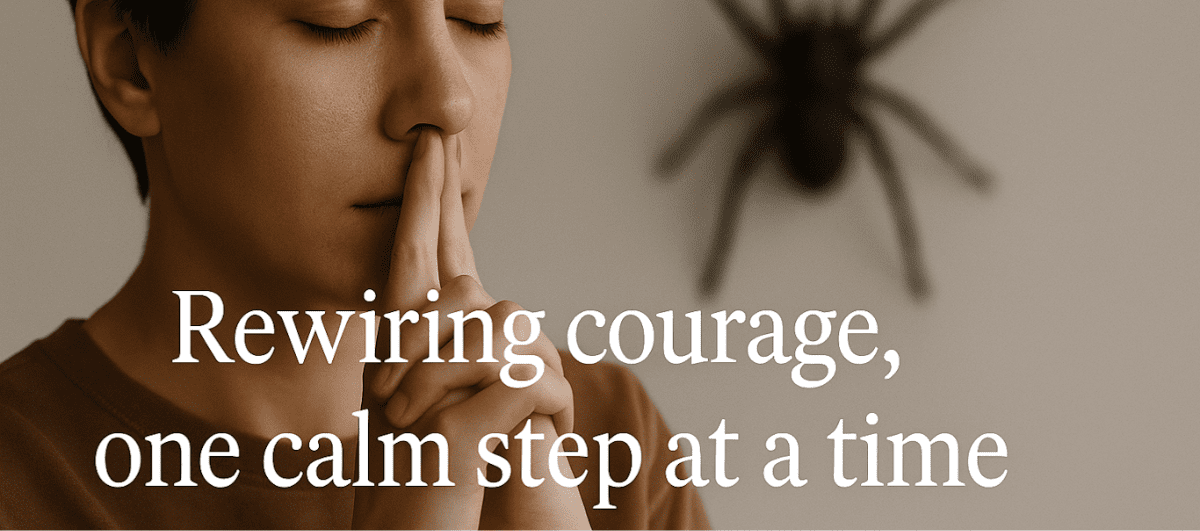
Systematic desensitisation: Teaching the brain to unlearn fear
Joseph Wolpe’s 1958 therapy method, Systematic Desensitisation, still reshapes how we treat anxiety and phobias today—especially for neurodivergent minds learning to trust their own nervous systems again
-
Get over yourself
A reflective essay on sensitivity, overthinking, and learning that not everything is about us. Includes a neurodiversity lens on rejection sensitivity and the contrarian ‘Gaye factor’
-
When your brain decides to throw a rave without asking first
Late-life migraines can feel like the body’s betrayal, but they’re often your nervous system drawing a hard line. If you’ve ever had that sudden sensory explosion—light, sound, pain, dread—you’re not alone. Let’s explore what your brain’s really saying and how to listen to it
-
When desire dies and you’re both still breathing
Struggling with mismatched desire in your relationship? Book a consultation to explore what’s really happening beneath the surface—and discover what connection might look like when you stop performing and start being honest about what you actually need
-
When obsession isn’t love: limerence and the neurodivergent brain
Ever wondered why your crush feels like a full-time job? This piece unpacks the neurodivergent chemistry behind limerence, why it hijacks your brain, and how to turn obsession into insight. Read the full piece on Mindblown Psychology — where intensity meets understanding