Category: AuDHD
-
When crying never came: why freeze-fawn children grow into people-pleasing adults
Were you the quiet, “easy” child who grew into the exhausted, approval-seeking adult? Lindsey Mackereth’s freeze-fawn hypothesis offers a powerful lens. Read my take—and my story—on why invisible early neglect leaves deep imprints and what healing really asks of us
-

AuDHD: the inconvenient brilliance
AuDHD is not two strikes. It’s two operating systems running at once—pattern and hyperdrive, empathy and storm. Discover six truths about this inconvenient brilliance and why “too much” is exactly what the world needs. Different by design, not broken
-
You’re Not Imagining It, It IS This Weird
A witty, satirical survival guide for the optimisation age, ‘You’re Not Imagining It, It IS This Weird’ exposes the absurdities of wellness, productivity, and authenticity culture while inviting readers to laugh, question, and reclaim their sanity in a world gone strangely sideways
-
The strengths of neurodivergent thinking
Neurodivergent people aren’t broken—they’re brilliant in ways the world often overlooks. From creativity to resilience, their strengths are reshaping classrooms, workplaces, and communities
-
Why language matters
Language is never neutral—it can heal or harm. By shifting from “disorder” to “difference,” Vietnam can build inclusion that respects every kind of brain. Explore the words that shape neurodiversity and why they matter more than we think
-
What is neurodiversity?
Neurodiversity isn’t a label—it’s a lens. By understanding it, we can build classrooms, workplaces, and relationships that value difference as strength. Explore how neurodiversity can reshape Vietnam’s future for students, teachers, and communities
-
Adults on medication—and why you shouldn’t feel guilty about it
Medication doesn’t make you weak—it makes you stable enough to live fully. Whether Western or traditional, tools that work give complex minds freedom to thrive. Learn why guilt has no place here and how medication can support creativity, stability, and love
-
Why women say ‘yes’ to intimacy
Women’s intimacy is shaped by biology, emotion, and neurodiversity. Learn the real motivators, avoid misinterpretation, and adapt your relationship to grow deeper over time. Stop guessing about desire — start understanding what intimacy really means for her, right now
-
Attraction when you’re neurocomplex
Tired of chasing sparks that burn out? For neurocomplex adults, attraction isn’t about chemistry—it’s about resonance, safety, and relief. Learn how to filter connections, protect your energy, and spot the rare minds that truly meet you
-
Understanding AuDHD
Discover the essential guide to autism and ADHD—together. Understanding AuDHD – Third Edition blends lived experience and professional insight to explain the science, strengths, and strategies that make AuDHD unique. Clear, practical, and compassionate—this book helps you turn understanding into meaningful action for real-life impact
-
What is AuDHD?
Discover what AuDHD means and how it fits within the concept of neurodiversity. Learn why having both autism and ADHD creates a unique mix of strengths and challenges, and why valuing different brain types can change the way we see ourselves and others
-
What it means to feel more than most
Celebrate the strengths of the AuDHD heart—from pattern recognition to loyalty by choice. Discover why “feeling more than most” is not a flaw, but a rare gift that can transform emotional connection and make relationships deeply fulfilling
-
Autism, ADHD and AuDHD differences
A handy chart which explains what to look for when considering the similarities and differences between Autism, ADHD, and AuDHD
-
How to reduce the impact of Rejection Sensitivity Dysphoria
Reduce the sting of Rejection Sensitivity Dysphoria with this six-layer plan grounded in the latest research. Learn fast, in-the-moment regulation, retrain your rejection radar, and practise real-world skills so the emotional spikes get shorter, softer, and far less frequent
-
The psychology behind effective study: Evidence‑based strategies that work
Unpack the science behind effective study techniques—spaced repetition, testing, desirable difficulty, and the protégé effect. Grounded in decades of research, learn how students of any age can learn more deeply, retain more information, and study smarter—not harder
-
What it’s really like: Counselling when you’re AuDHD
Discover what therapy looks like when both the client and the counsellor are neurodivergent. In this candid post, an AuDHD psychologist explores trauma, therapeutic safety, modality mismatch, and the power of being seen by someone who truly gets your wiring.
-
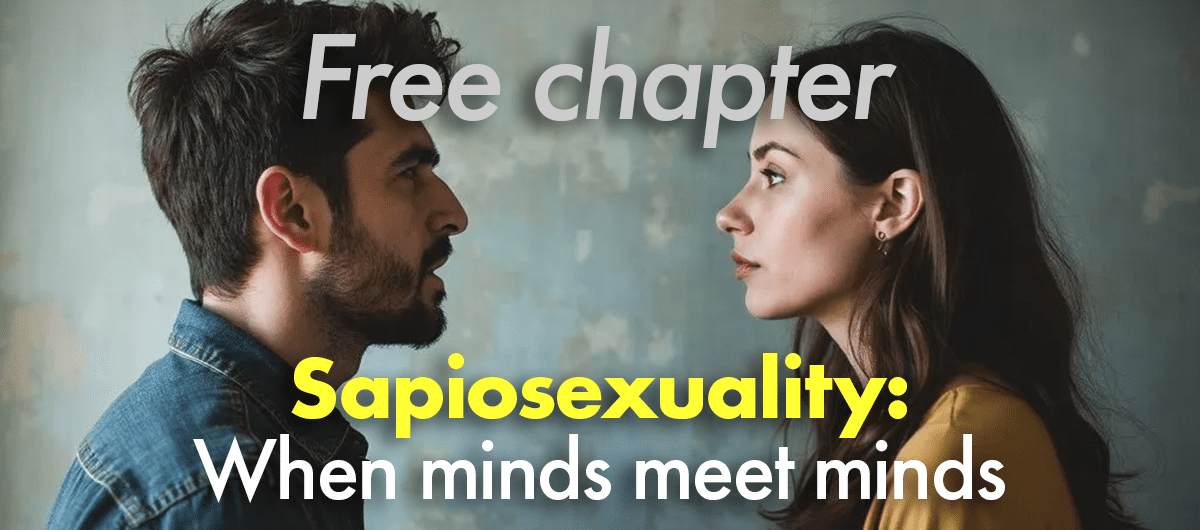
When minds meet minds
Download a free chapter on the sapiosexual experience in neurodivergent relationships—When minds meet minds
-
What highly masked adults hide behind work (and how to stop)
Revealing seven uncomfortable realities highly masked neurodivergent adults avoid through work patterns and work avoidance. Discover why your brain uses work as emotional protection, how to recognise these survival strategies, and gentle approaches to building authentic engagement with work, emotions, and relationships