-
Why women say ‘yes’ to intimacy
Women’s intimacy is shaped by biology, emotion, and neurodiversity. Learn the real motivators, avoid misinterpretation, and adapt your relationship to grow deeper over time. Stop guessing about desire — start understanding what intimacy really means for her, right now
-

The Amazon Fiasco: A case study in corporate failure
This is the running dossier of my ongoing battle with Amazon Kindle Direct Publishing (KDP) and Amazon Retail support. What began as a simple attempt to update my bank details so I could be paid my royalties has become a case study in how the world’s biggest retailer fails its authors under the leadership of…
-
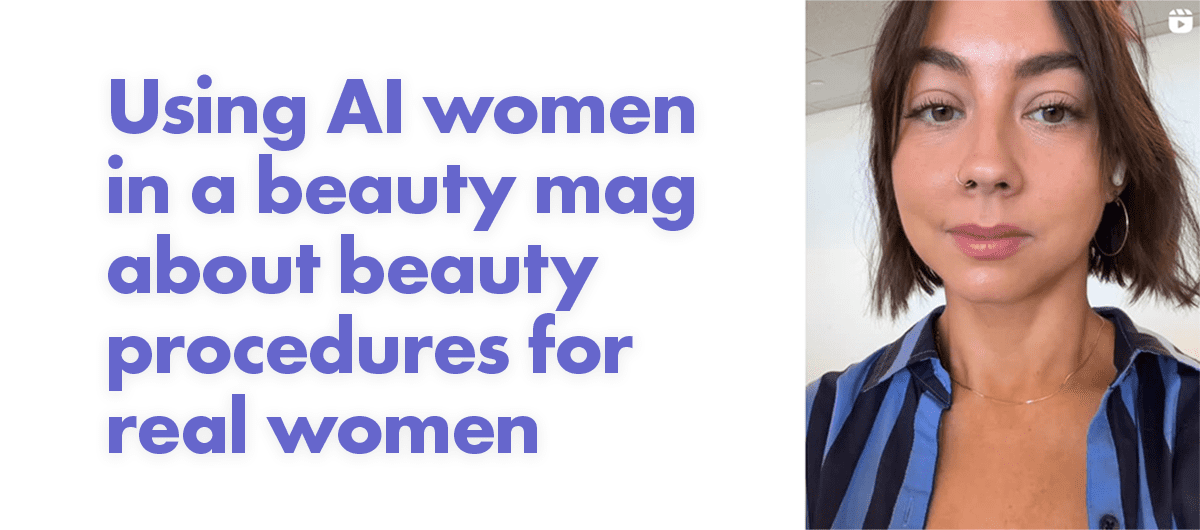
AI in aspirational magazines
A photographer questions the use of AI models in a magazine about women’s beauty procedures. Is this where we are now? Where are the ethical discussions around this?
-
Why the title psychotherapist is meaningless (and dangerous)
In most countries, anyone can call themselves a psychotherapist without training. But try calling yourself a psychologist without qualifications and you’ll face serious trouble. This post exposes why the psychotherapist title is hollow, unregulated, and dangerous
-
Right brain vs left brain neurobollocks
The right brain vs left brain story sounds appealing but it’s misleading. Neuroscience shows both hemispheres work together, not as personality types. In psychotherapy, repeating this myth risks boxing people in—when what they really need is flexibility across the whole orchestra
-
ADHD and money
ADHD and money don’t mix easily. Impulse spending, forgotten bills, and costly mistakes pile up into the “ADHD tax.” Learn practical, ADHD-friendly strategies—automation, fun accounts, and pause rules—that stop money chaos without shame and help you build a system designed for your brain
-
Neurobollocks in therapy
Polyvagal Theory and “vagus nerve hacks” sound compelling—but when you dig into the citations, the evidence unravels. In my latest piece, I explore why massage won’t “activate” your vagus nerve and why we need sharper BS filters in psychotherapy
-
Attraction when you’re neurocomplex
Tired of chasing sparks that burn out? For neurocomplex adults, attraction isn’t about chemistry—it’s about resonance, safety, and relief. Learn how to filter connections, protect your energy, and spot the rare minds that truly meet you
-
Confidence comes from competence
Stop faking confidence—start building it. Learn why competence, not bravado, creates lasting self-belief. Through failure-first stories and psychology-backed strategies, discover how genuine confidence emerges from skill, practice, and scars. Embrace mistakes as your greatest teacher and watch real confidence take hold
-
When your child feels everything
Highly sensitive children aren’t broken—they’re neurologically different. Research shows 20-30% of children have heightened sensory processing sensitivity, with brains that process emotions more deeply. With understanding and support, their sensitivity becomes a superpower, leading to greater empathy, creativity, and success in nurturing environments
-
I wish depression were an emergency
Depression is just as life-threatening as physical illness—yet often invisible. Discover why we should treat depression like an emergency, how recognition can save lives, and what small acts of care can do to pull someone back from the edge
-
The psychology of falling in love fast
Falling in love can feel instant, almost fated—but is it science, destiny, or both? Explore the psychology of falling in love in just ten minutes, from limbic resonance to dopamine surges, and learn what expats need to know about cross-cultural relationships
-
Understanding AuDHD
Discover the essential guide to autism and ADHD—together. Understanding AuDHD – Third Edition blends lived experience and professional insight to explain the science, strengths, and strategies that make AuDHD unique. Clear, practical, and compassionate—this book helps you turn understanding into meaningful action for real-life impact
-
Term of the Day: Double empathy problem
Learn how the double empathy problem affects neurodiverse romantic relationships and discover practical ways to bridge misunderstandings between partners, blending Australian directness with Vietnamese subtlety to foster clarity, trust, and connection across cultures
-
Term of the Day: Emotional granularity
Discover how emotional granularity—the skill of naming feelings precisely—can deepen romantic connection, reduce conflict, and bridge cultural differences. Essential for neurodiverse couples navigating Australian directness and Vietnamese subtlety, it transforms misunderstanding into understanding
-
What is AuDHD?
Discover what AuDHD means and how it fits within the concept of neurodiversity. Learn why having both autism and ADHD creates a unique mix of strengths and challenges, and why valuing different brain types can change the way we see ourselves and others
-
What it means to feel more than most
Celebrate the strengths of the AuDHD heart—from pattern recognition to loyalty by choice. Discover why “feeling more than most” is not a flaw, but a rare gift that can transform emotional connection and make relationships deeply fulfilling
-
Autism, ADHD and AuDHD differences
A handy chart which explains what to look for when considering the similarities and differences between Autism, ADHD, and AuDHD


Got any book recommendations?