Category: Vietnam
-
Hai cuốn sách tiếng Việt, miễn phí, do AI dịch
Hiểu về AuDHD (ấn bản thứ tư) và Đón nhận đa dạng thần kinh (bản thứ hai) nay đã có bản tiếng Việt, tải miễn phí. Claude, một AI do Anthropic phát triển, đã dịch cả hai cuốn. Tải về và làm theo hướng dẫn từng bước để đọc trên điện thoại Android, iPhone hoặc…
-

The doctor’s blood pressure is the one nobody takes
White coat hypertension has a name, a protocol and a home cuff. The doctor’s version, in which certainty rises the moment the coat goes on, has none. A 67-year-old patient in Đà Lạt on rolled eyes, one doctor who listened, and what unheard pain costs an older body
-
The canary doesn’t have an anxiety disorder
At 6am in my street in Đà Lạt, three generations eat breakfast on plastic stools and nobody looks at a phone. Western teenagers are not fragile. Their alarm systems are being fed industrial quantities of real threat, in habitats stripped of the company that settles it
-
It wasn’t the last straw
The straw never breaks the camel’s back. The load does. The straw just arrives last and gets the blame. I wrote about my own collapse this week—a full-blown panic attack—and why veteran PTSD, autistic burnout and perimenopause turn out to be the same story wearing different clothes: accumulation, with no recovery in between. The science…
-
The body keeps the invoice
The universe spent 13.8 billion years producing a nervous system capable of abstract thought, and you’ve spent the last forty years running it on emergency power. The research says the invoice can start being paid down. Here’s what actually works
-
Why the monster myth is the most dangerous idea in child protection
If you’ve ever wondered why decades of prosecution, rescue operations, and awareness campaigns haven’t reduced the sexual exploitation of children, The Convenient Monster argues the answer is uncomfortable, systemic, and closer to home than anyone wants to admit
-
Your body has been writing you letters for years. You just couldn’t read them
If decades of masking and the invisible weight of long COVID have left your body keeping a score nobody told you about, you are not imagining it. Lee Hopkins is a psychologist and late-diagnosed AuDHD adult who understands what you are going through from the inside out
-
When the body keeps the score of a lifetime of masking
Chronic physical pain can emerge after years of neurodivergent masking because the nervous system and body absorb prolonged stress responses. When identity strain, social pressure and self-criticism accumulate over decades, the body may eventually signal overload through fatigue, tension and pain
-
Misdiagnosis nearly killed me
A personal and clinical account of misdiagnosis, neurodivergence, environment, and augmentation. Three books form one argument: mental health fails when behaviour is mistaken for architecture, context is ignored, and clinicians lose the bandwidth to remain curious
-
What culture does to your nervous system (and why we rarely notice)
If nervous systems are shaped by environments and not just techniques, what happens when culture itself does the regulating? This second reflection explores how Vietnamese rhythms care and social response reduce overload and why Western psychology often asks individuals to compensate for hostile systems
-
What eight months in Vietnam has quietly undone in me
What if the things you dismissed as outdated were quietly keeping people well all along? This reflection explores how Vietnamese culture supports health nervous systems and human thriving in ways the West often overlooks, and what eight months of lived experience changed forever
-
Unpacking HRT — myths, risks, and real help for menopause
Menopause is confusing enough without myths about HRT clouding the picture. This article cuts through fear and hype, showing who benefits, who doesn’t, and how culture shapes choices. Read it now to make sense of your options and find clarity about hormone therapy
-
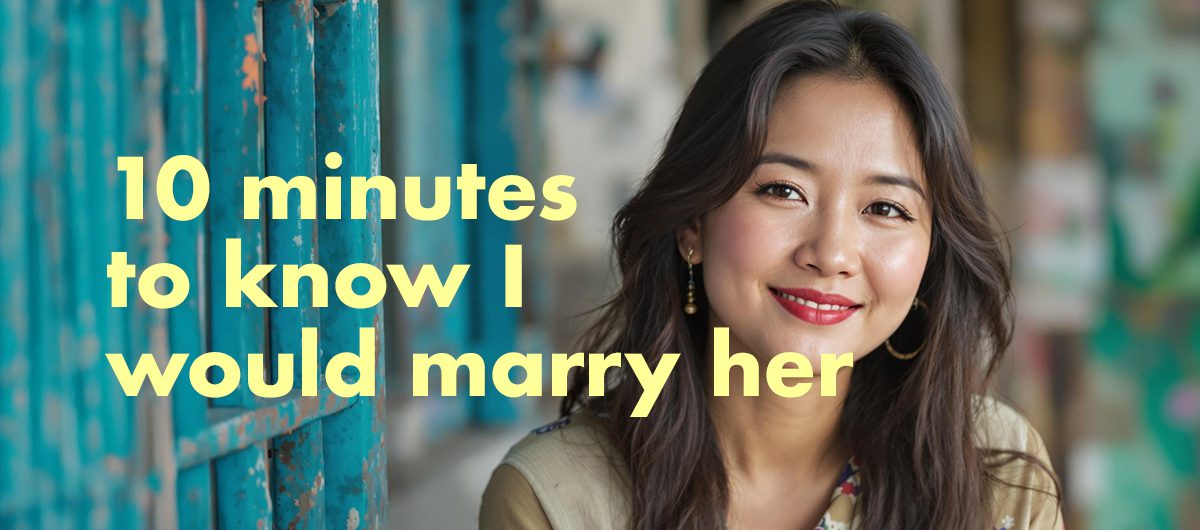
Ten minutes: The psychology of falling in love fast
Falling in love can feel instant, almost fated—but is it science, destiny, or both? Explore the psychology of falling in love in just ten minutes, from limbic resonance to dopamine surges, and learn what expats need to know about cross-cultural relationships
-
The essential role of family in Vietnamese relationships
Family is central to Vietnamese relationships, shaping values, decision-making, and partner selection. Elders provide guidance, and family approval is vital for commitments like marriage. While modern influences are reshaping dynamics, traditional expectations around filial piety and family roles remain deeply ingrained in Vietnamese culture
-
Common challenges faced by Vietnamese women in relationships
This article outlines challenges Vietnamese women face in relationships, including balancing traditional and modern roles, family expectations, societal pressures, communication barriers, and external discrimination. It emphasizes the importance of understanding these dynamics to foster healthier, more respectful, and mutually supportive relationships
-
Navigating intimacy in a cross-cultural relationship
This article discusses the gradual progression toward intimacy in cross-cultural relationships, emphasizing trust, emotional connection, respecting boundaries, and understanding Vietnamese cultural norms. It highlights patience, open communication, and shared experiences as essential for fostering comfort and mutual readiness for physical connection