Category: Counselling
-
Misdiagnosis nearly killed me
A personal and clinical account of misdiagnosis, neurodivergence, environment, and augmentation. Three books form one argument: mental health fails when behaviour is mistaken for architecture, context is ignored, and clinicians lose the bandwidth to remain curious
-

Steve Davis on social media’s fall
Now that Australia has passed the world’s first law on social media and teens, over a decade after it was first realised how dangerous Meta/Facebook/Instagram are to mental health, Steve Davis reflects…
-
Goodbye to the shitty end of social media
If you’re tired of the enshittified end of social media and ready for calmer, more human spaces, join me on Substack, YouTube and in the pages of my books. Follow the work where depth lives, not where algorithms thrive. It’s time for a cleaner digital life
-
Get over yourself
A reflective essay on sensitivity, overthinking, and learning that not everything is about us. Includes a neurodiversity lens on rejection sensitivity and the contrarian ‘Gaye factor’
-
When love arrives late: what no one tells you about cross-cultural romance after sixty
Finding yourself in an unexpected cross-cultural relationship after sixty whilst neurodivergent? Struggling with family expectations, communication across difference, or wondering if your brain’s wired for this? Let’s explore what you’re actually building—and whether it’s working for both of you
-
When desire dies and you’re both still breathing
Struggling with mismatched desire in your relationship? Book a consultation to explore what’s really happening beneath the surface—and discover what connection might look like when you stop performing and start being honest about what you actually need
-
Cognitive Behavioural Therapy: What it gets wrong (and what still works)
CBT can change lives, but only when it fits the person, not the other way round. Discover why logic isn’t always healing, and how therapy needs to evolve for the neurodiverse, the complex, and the emotionally wired
-
Why mindfulness often fails for neurodivergent brains
Traditional mindfulness often alienates ADHD and autistic minds. Discover why calm doesn’t mean stillness and how flow, curiosity, and movement can regulate better than breath counting. Read the full guide to mindfulness that finally fits neurodiverse brains
-
When your hand won’t listen
Your hand shapes your world—writing, creating, connecting. When Dupuytren’s contracture takes that away, the psychological toll is profound. Read how this hidden disability changes more than movement, and why acknowledging its impact can restore dignity, meaning, and connection in the face of limitation
-
Unpacking HRT — myths, risks, and real help for menopause
Menopause is confusing enough without myths about HRT clouding the picture. This article cuts through fear and hype, showing who benefits, who doesn’t, and how culture shapes choices. Read it now to make sense of your options and find clarity about hormone therapy
-
Why women say ‘yes’ to intimacy
Women’s intimacy is shaped by biology, emotion, and neurodiversity. Learn the real motivators, avoid misinterpretation, and adapt your relationship to grow deeper over time. Stop guessing about desire — start understanding what intimacy really means for her, right now
-
Why the title psychotherapist is meaningless (and dangerous)
In most countries, anyone can call themselves a psychotherapist without training. But try calling yourself a psychologist without qualifications and you’ll face serious trouble. This post exposes why the psychotherapist title is hollow, unregulated, and dangerous
-
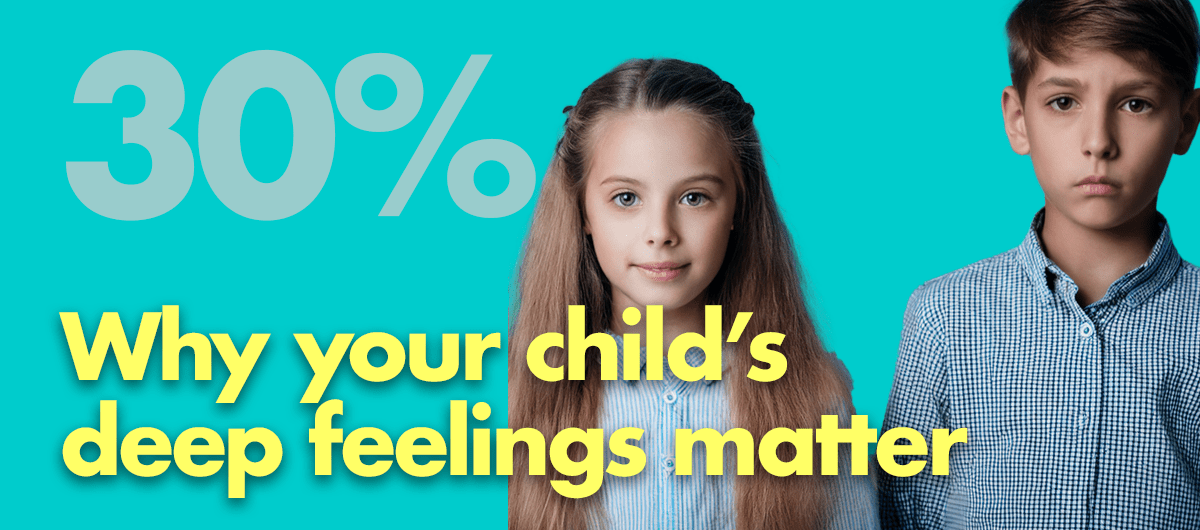
When your child feels everything
Highly sensitive children aren’t broken—they’re neurologically different. Research shows 20-30% of children have heightened sensory processing sensitivity, with brains that process emotions more deeply. With understanding and support, their sensitivity becomes a superpower, leading to greater empathy, creativity, and success in nurturing environments
-
I wish depression were an emergency
Depression is just as life-threatening as physical illness—yet often invisible. Discover why we should treat depression like an emergency, how recognition can save lives, and what small acts of care can do to pull someone back from the edge
-
Term of the Day: Double empathy problem
Learn how the double empathy problem affects neurodiverse romantic relationships and discover practical ways to bridge misunderstandings between partners, blending Australian directness with Vietnamese subtlety to foster clarity, trust, and connection across cultures
-
How to reduce the impact of Rejection Sensitivity Dysphoria
Reduce the sting of Rejection Sensitivity Dysphoria with this six-layer plan grounded in the latest research. Learn fast, in-the-moment regulation, retrain your rejection radar, and practise real-world skills so the emotional spikes get shorter, softer, and far less frequent
-
Introducing mindblown online therapy — answers in 48 hours
Life doesn’t always wait for your next counselling session. Sometimes you need a clear head, a compassionate ear, and a practical plan — now. That’s why I’ve launched mindblown online therapy – Standard Insight. Here’s how it works: It’s confidential, straightforward, and available worldwide.
-
What it’s really like: Counselling when you’re AuDHD
Discover what therapy looks like when both the client and the counsellor are neurodivergent. In this candid post, an AuDHD psychologist explores trauma, therapeutic safety, modality mismatch, and the power of being seen by someone who truly gets your wiring.